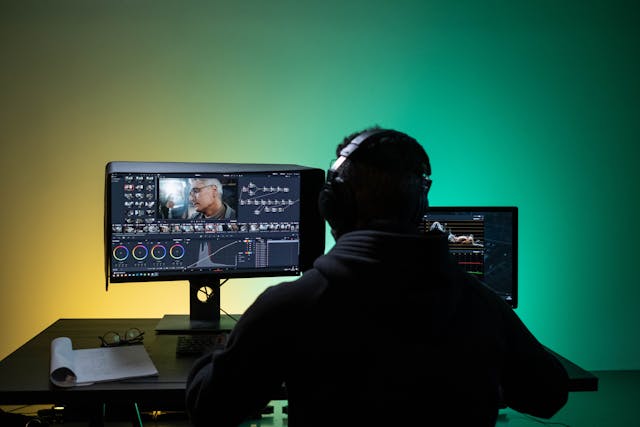

When YouTube Goes Holographic: The Tech Behind Next-Gen Immersive Video

youtube

For years, YouTube has shaped the way we share ideas, learn new skills, and binge-watch everything from travel vlogs to physics explainers. But as immersive tech accelerates, a new frontier is emerging—one where video steps beyond the flat rectangles on our screens and becomes something you can practically walk around. Holographic video, once a sci-fi prop, is inching closer to mainstream reality, and platforms like YouTube could be the first to deliver it at scale.

The Shift From 2D Frames to Light-Field Worlds

phone

One of the biggest challenges of holographic video is recreating natural depth. Light-field capture uses arrays of cameras to record not only the light in a scene but the direction it travels. This gives viewers the sensation of peering into a living, breathing environment. As creators begin to explore the possibilities, many are improving engagement strategies, such as learning how to buy more likes on YouTube, so their early holographic experiments stand out in a competitive landscape. What emerges is a fusion of advanced optics with good old-fashioned creator hustle.

Holographic Displays: Beyond VR Headsets

While VR headsets have given us a taste of immersive video, holographic displays aim to provide that same depth without isolating users behind a visor. Companies are developing transparent LED panels, volumetric projectors, and even tabletop hologram boxes that project 3D visuals into the air. These displays will let viewers watch concerts, tutorials, and cinematic stories as if they’re floating right in front of them, all without the weight of wearable hardware.

Audio That Matches the Vision

To sell the illusion of a hologram, audio has to keep up. Spatial sound design—where audio shifts in direction and distance as you move—plays an essential role. Future YouTube creators may produce videos where the sound of a bustling street changes as you tilt your head or where a musician’s guitar chords feel like they originate from the center of the hologram. The tech transforms audio from a backdrop into a three-dimensional experience as dynamic as the visuals.

New Cameras for the New Era

Capturing holographic content requires more than a smartphone camera. Multi-lens devices, depth sensors, and volumetric capture rigs are evolving rapidly. Some studios are experimenting with dome-shaped sensor arrays that track motion and depth from every angle. These systems allow creators to record performances that can be explored from viewpoints impossible in traditional filmmaking. Instead of choosing a single angle, the viewer becomes the camera operator, deciding how they want to experience a moment.

Processing Power and the Future of Streaming

laptop

Holographic video is data-heavy—far heavier than 4K or even 12K footage. To make this accessible, breakthroughs in compression, real-time rendering, and streaming protocols are essential. YouTube’s existing infrastructure gives it an advantage, and as compression algorithms improve, holographic streams may become as accessible as high-definition videos are today. With the right optimizations, watching a holographic cooking tutorial could one day be as smooth as streaming a music video on the bus.

Holographic video represents the next great leap in how we experience digital content. As the tech matures, YouTube could move from being a platform you watch to a space you step into. Whether for education, entertainment, or artistic expression, the future of video looks more immersive—and more three-dimensional—than ever.

Optimizing Video Content for Instagram’s Tech-Driven Algorithms

Instagram is more than just a platform for sharing photos; it’s a vibrant, ever-evolving space where video content reigns supreme. With the algorithm continuously changing, creators face the challenge of making their videos stand out in an ocean of captivating visuals and trends. For those looking to boost visibility quickly, strategies like buy Instagram reels views can offer an initial push to attract organic engagement. Understanding how to navigate this tech-driven environment can significantly elevate your content strategy and visibility. Whether you’re a seasoned influencer or just starting your journey, optimizing video content for Instagram requires insight into what makes viewers stop scrolling and start watching.

Understanding Instagram’s Algorithm and Its Impact on Video Content

Instagram’s algorithm is a powerful engine that shapes what users see on their feeds. It prioritizes content based on engagement, meaning videos that generate likes, comments, and shares are more likely to be showcased prominently. This means creating captivating video content is essential for visibility. The platform analyzes user behavior how long someone watches a video or how quickly they scroll past it. Videos that hold attention longer can rank higher in the feed. Additionally, Instagram’s algorithm favors new features like Reels and IGTV. Experimenting with these formats can give your content an edge over traditional posts. Understanding this dynamic helps creators tailor their approach effectively.

Leveraging Hashtags and User-Generated Content for Higher Visibility

Hashtags are the lifeblood of Instagram visibility. They help categorize your content and connect with users interested in similar themes. Using relevant hashtags can significantly amplify your reach. Aim for a mix of popular and niche tags. Popular hashtags attract broad attention, while niche tags engage specific communities. Striking this balance enhances discovery among targeted audiences. User-generated content (UGC) acts as social proof. Encourage followers to share their experiences related to your brand using a designated hashtag. This not only fosters community but also expands your creative pool.

Key Elements of a Successful Video on Instagram

Creating a successful video on Instagram requires a keen understanding of what captures attention. First and foremost, the first few seconds are crucial. Hook your audience immediately with eye-catching visuals or intriguing questions. Quality matters too. High-resolution videos that are well-lit and professionally edited tend to perform better. Invest some time in ensuring your content looks polished. Sound also plays an essential role. Engaging audio can enhance the storytelling aspect of your video, making it more memorable for viewers. Don’t forget about captions. Many users watch videos without sound, so clear and concise text helps convey your message effectively.

Tips for Creating Engaging and Shareable Videos on Instagram

Creating engaging and shareable videos on Instagram starts with a strong hook. Capture attention within the first few seconds. Use eye-catching visuals or intriguing questions to draw viewers in. Keep your videos concise. Shorter clips often hold audience interest better than lengthy ones. Aim for clarity and impact; every second counts. Incorporate storytelling elements. People connect with narratives, so weave a story into your content that resonates emotionally with your audience.

The Importance of Consistency and Analytics in Video Optimization

Consistency is crucial when it comes to video content on Instagram. Regularly posting videos keep your audience engaged and eager for more. It helps build brand recognition and fosters a loyal community. Tracking performance through analytics is equally vital. Insights provided by Instagram allow you to see what’s resonating with your followers. You can identify peak engagement times, popular content types, and viewer demographics. Using this data effectively means refining your strategy over time. If certain themes or formats perform better, lean into those trends while maintaining your unique voice.

In Conclusion

Adapting to Instagram’s ever-evolving algorithm is essential for anyone looking to maximize video content. With each update, the platform shifts its focus, impacting how videos are discovered and engaged. Staying informed about these changes will give you a competitive edge. Regularly assess your video strategy based on analytics. Monitor which types of content resonate most with your audience and adjust accordingly. Experimenting with different formats can also provide insight into what works best.